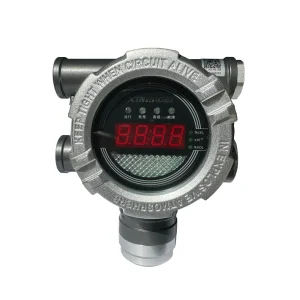
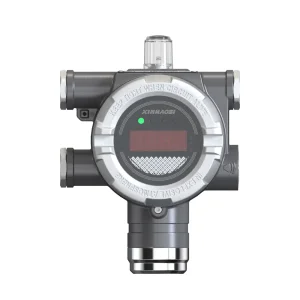
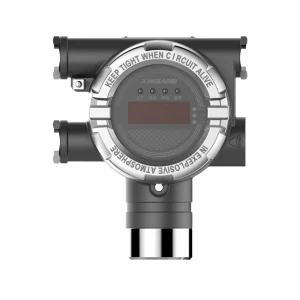
Engineered for high temperature, extreme coastal humidity, and aggressive chemical environments across the Tanjung Perak port zone and East Java manufacturing hubs.
As the economic engine of East Java and Indonesia’s second-largest metropolitan area, Surabaya serves as a critical nexus for maritime logistics, petrochemical refining, food processing, and heavy industrial manufacturing. Anchored by the strategic Tanjung Perak Port, the SIER (Surabaya Industrial Estate Rungkut), and the adjacent industrial corridors of Gresik and Sidoarjo, the region operates under rigorous operational demands.
The tropical maritime climate of Surabaya presents unique engineering challenges for gas detection safety infrastructure. With ambient relative humidity frequently exceeding 85% and elevated coastal salt-spray exposure, conventional gas sensors often suffer from severe zero-drift, premature sensor poisoning, and casing corrosion. Selecting a certified fixed-type gas detector supplier capable of delivering continuous, explosion-proof monitoring tailored to Surabaya’s industrial microclimate is paramount for protecting personnel, assets, and environmental compliance.
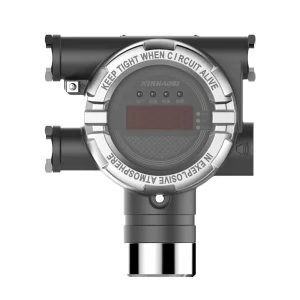
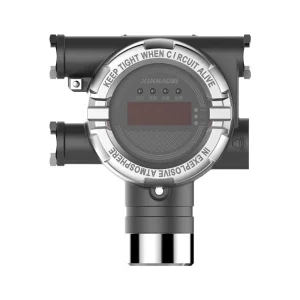
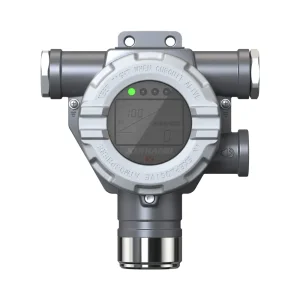
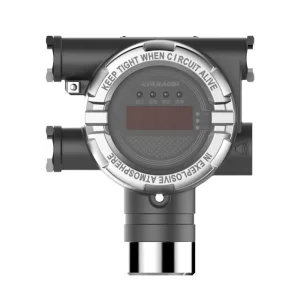
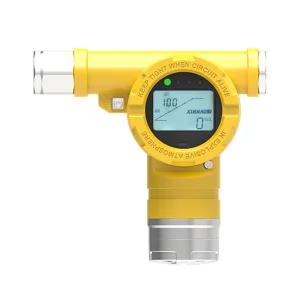
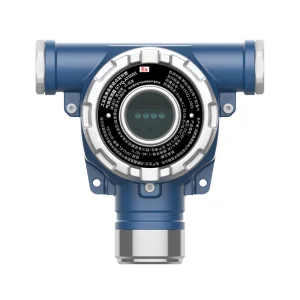
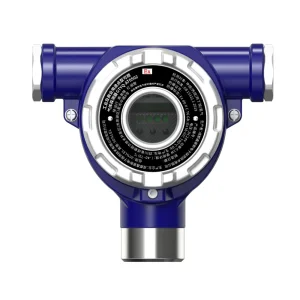
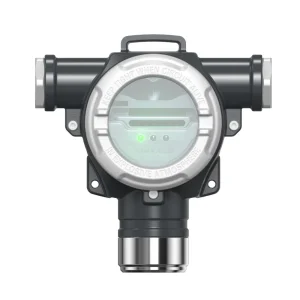
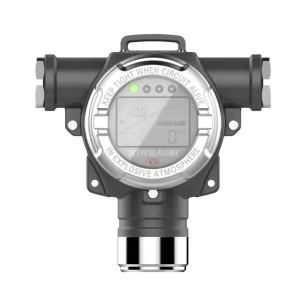
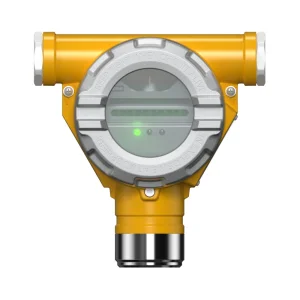
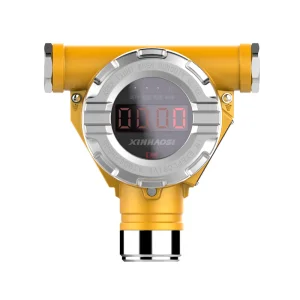
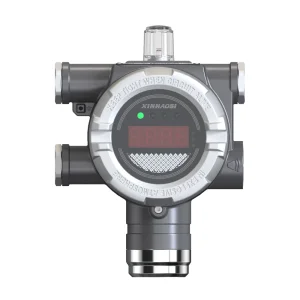
Our fixed gas detectors supplied to Surabaya feature IP66/IP67 rated die-cast aluminum or 316L stainless steel enclosures, integrated condensation-proof thermal barriers, and specialized hydrophobic sensor membranes designed specifically for tropical coastal operations.
In accordance with global functional safety benchmarks (IEC 61508 / SIL2) and international explosion-proof mandates, fixed gas monitoring systems deployed across East Java must fulfill stringent technical verification.
Every detector unit is engineered to meet Ex d IIC T6 Gb explosion-proof requirements and certified under SIL (Safety Integrity Level) standards, ensuring reliable operation in Zone 1 and Zone 2 hazardous areas across chemical refineries and fuel terminal facilities.
Manufactured under ISO9001 certified quality control, our products pass calibration tests validated by our in-house CNAS-accredited laboratory (accredited under the international ILAC-MRA framework), delivering traceable calibration data recognized worldwide.
Our solutions seamlessly integrate with local East Java plant automation systems via standard 4-20mA analog outputs, RS485 Modbus RTU digital communication, and relay outputs for immediate automated shutoff via emergency gas solenoid valves.
Information Gain Insight: Selecting a fixed gas detector strictly based on nominal price often leads to high total cost of ownership (TCO) in tropical climates. Sensor poisoning caused by volatile organic compounds (VOCs) combined with high ambient moisture requires advanced infrared (NDIR) or humidity-compensated electrochemical technology to maintain calibration stability over extended multi-year operational cycles.
Fixed-type gas detectors serve as the continuous frontline defense in industrial risk management. Depending on the targeted chemical species, environmental humidity, and potential background interference in Surabaya facilities, distinct sensing principle routes are selected:
Ideal for detecting combustible gases (0-100% LEL) such as Methane (CH4), Propane (C3H8), and Liquefied Petroleum Gas (LPG). Catalytic bead sensors utilize oxidation to generate a resistance change proportional to gas concentration. Our catalytic elements feature specialized silicone-resistant coatings, extending operational lifespan in industrial plants where silicone vapors are present.
NDIR sensors operate on optical absorption principles, eliminating sensor poisoning risks entirely. Designed for hydrocarbon detection in oxygen-deficient atmospheres or environments containing high sulfur concentrations where pellistors degrade rapidly.
Used specifically for toxic gas detection (e.g., H2S, CO, NH3, CL2) and Oxygen depletion monitoring. Electrochemical sensors feature three-electrode architecture with internal temperature dynamic compensation algorithms, vital for accurate PPM-level measurement in Surabaya's tropical heat.
Configured for ultra-low Part-Per-Million (PPM) or Part-Per-Billion (PPB) monitoring of Volatile Organic Compounds (VOCs) such as Benzene, Toluene, and Xylene. Utilizes high-energy ultraviolet lamps for rapid ionization and instant hazardous leak identification.
Deploying fixed gas detectors requires tailored site engineering. Below are four key industrial deployment profiles optimized for Surabaya's commercial and industrial geography:
Bulk liquid chemical storage and marine fuel bunkering require continuous perimeter monitoring. High marine salinity demands 316L stainless steel enclosures. Fixed detectors like the GTYQ-XP4000 series are installed along jetty lines, loading racks, and tank bund walls, linked via Modbus RS485 back to a centralized SCADA control room for automated isolation valve activation.
Light-to-heavy industrial plants in SIER utilize natural gas (Methane) and LPG for industrial heating and metal heat treatment. Networked bus-type gas leak detectors (such as the GTYQ-AT0503/d) are ceiling-mounted or floor-mounted based on gas vapor density, paired with high-decibel audible/visual strobes and emergency shutdown solenoid valves.
Surabaya is East Java's major food supply hub. Large-scale cold storage facilities rely on Ammonia (NH3) or CO2 secondary refrigerant loops. Toxic gas detectors like the AT0602 Series provide continuous PPM detection inside compressor rooms and freezing tunnels, configured to trigger emergency ventilation systems immediately upon threshold breach.
Subsurface utility vaults, drainage networks, and wastewater treatment plants face high risk of Hydrogen Sulfide (H2S) buildup and Oxygen deficiency. Fixed explosion-proof detectors equipped with long-life electrochemical cells ensure maintenance crew safety and prevent catastrophic infrastructure ignition.
Founded in 2003, Xinhaosi has evolved into one of the global gas safety industry’s most trusted brands, delivering end-to-end intelligent manufacturing, R&D innovation, and CNAS-accredited calibration services.
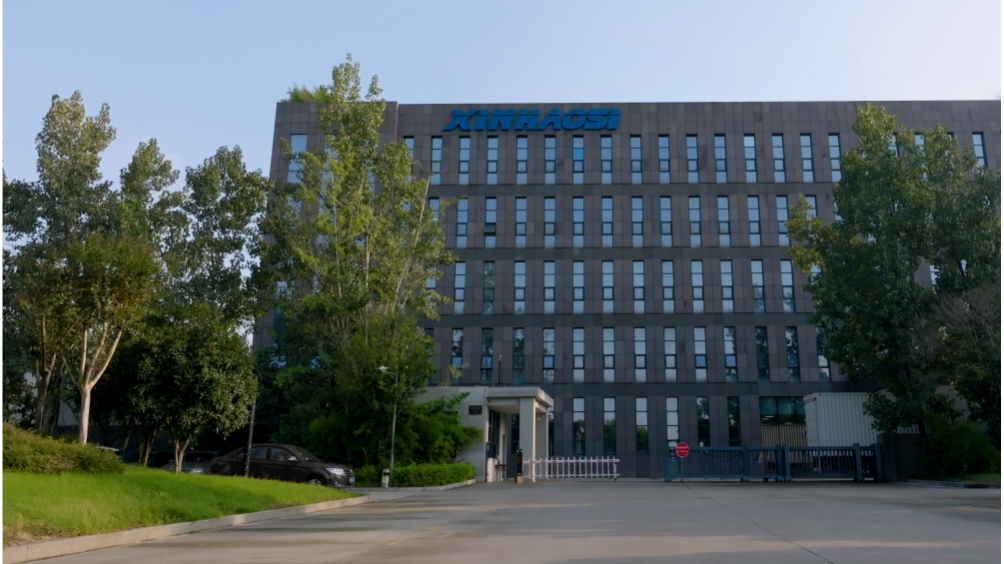
Chengdu Factory & Global Headquarters
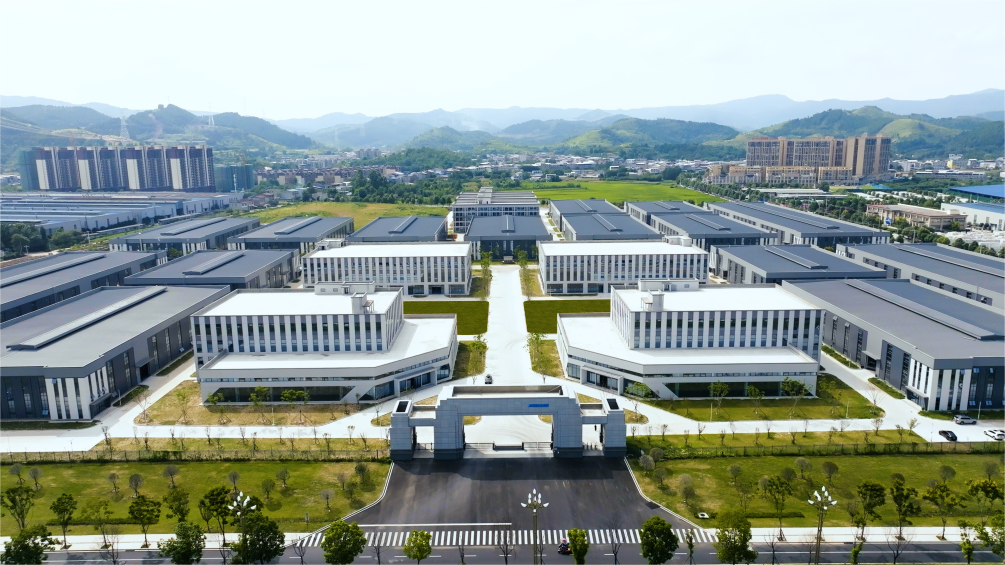
Deyang Automated Intelligent Manufacturing Facility
Holding over 50 national patents and software copyrights, Xinhaosi has established technological leadership in predictive gas monitoring. Our proprietary graphical monitoring systems analyze real-time gas trend curves, enabling predictive maintenance that reduces equipment failure rates by over 30%. Furthermore, our flow-monitoring solenoid valves combine fluid detection with rapid automatic shut-off, representing an industry-first integrated safety ecosystem.
Our in-house calibration facility is accredited by the China National Accreditation Service for Conformity Assessment (CNAS) under ISO/IEC 17025 standards. All test reports issued are traceable internationally through the ILAC-MRA network, ensuring compliance for multinational corporations and state enterprises operating across Indonesia.
Establishment of Xinhaosi. Launch of 1st generation gas leak alarm & fire-fighting safety electronics line.
Initiated industrial gas safety valve manufacturing. Expanded global OEM supply channels and relocated to Longtan Industrial Park.
Achieved 10 million units cumulative sales milestone. Moved into modern Chengdu manufacturing plant and expanded international footprint.
Launched self-developed Industrial IoT cloud monitoring platform. Qualified as official supplier for top global gas enterprises.
Commenced Deyang smart factory construction. Formed dedicated Petrochemical & International Business Division.
Full deployment of Deyang automated smart facility. Introduced next-generation AI safety valves and wireless IoT gas detectors.
The future of fixed gas detection extends beyond localized threshold alarms. We are pioneering smart gas safety ecosystems designed to integrate seamlessly into modern Industry 4.0 architectures:
By leveraging machine learning algorithms on cloud-connected gas sensors, our system tracks micro-concentration fluctuations over time, identifying potential valve degradation or flange micro-leaks before catastrophic gas release occurs.
Eliminating complex hardwiring in existing plants, wireless gas detectors utilize LoRaWAN and industrial wireless mesh protocols, allowing rapid deployment across expansive industrial complexes such as refineries and municipal pipeline corridors.
Automatic pairing between fixed detectors and electromagnetic shut-off valves ensures sub-second fuel isolation, preventing fire escalations during major seismic or structural events.
Addressing engineering, procurement, and environmental deployment queries for industrial facilities in East Java.
High ambient humidity can cause water condensation on optical lenses (in NDIR sensors) or drift in electrochemical cell electrolytes. Our fixed detectors supplied to Surabaya utilize integrated temperature/humidity compensation algorithms, internal anti-condensation heating elements, and IP66/67 sealed junction boxes to maintain zero-point stability under 95% relative humidity conditions.
Mounting height depends on the relative vapor density of the target gas compared to air (Air = 1.0). For Natural Gas (Methane, density ~0.55), detectors should be installed near the ceiling (0.3m to 0.8m below roof height). For LPG (Propane/Butane, density > 1.5), detectors must be mounted low (0.3m to 0.6m above floor level) near potential leak sources.
We recommend a full bump test every 3 months and formal recalibration every 6 to 12 months, depending on operating severity. Our detectors feature non-intrusive magnetic wand calibration, allowing field technicians to perform zero and span calibration in hazardous Zone 1 areas without opening the explosion-proof housing.
Yes. All units provide standard linear 4-20mA analog output (sink or source) and RS485 Modbus RTU digital communication interfaces. They connect directly to standard Programmable Logic Controllers (PLC), Distributed Control Systems (DCS), and Building Management Systems (BMS).
Yes. Xinhaosi’s testing laboratory is accredited by CNAS under ISO/IEC 17025. Through the ILAC-MRA (International Laboratory Accreditation Cooperation) mutual recognition arrangement, calibration and test reports issued are globally recognized across international inspection bodies and regional safety authorities.
We offer extensive OEM/ODM support, including customized enclosure branding, custom alarm threshold pre-sets, customized Modbus register mapping, multi-language documentation, and specialized sensor configuration tailored to non-standard chemical compounds.
Explore our complete OEM & Factory direct product lineup available for bulk supply, factory integration, and project tender in Surabaya and international markets.