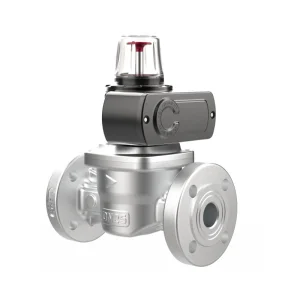
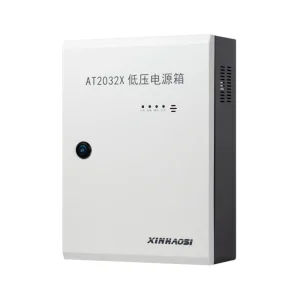
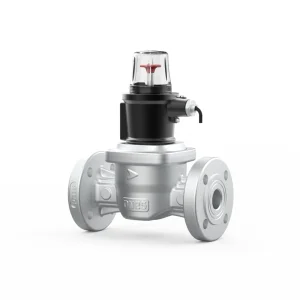
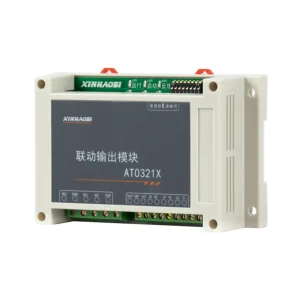
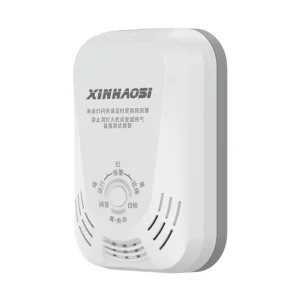
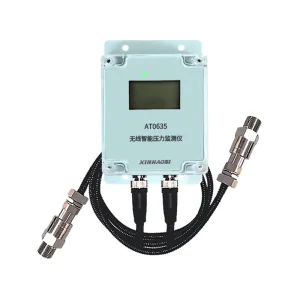
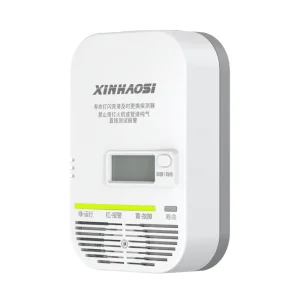
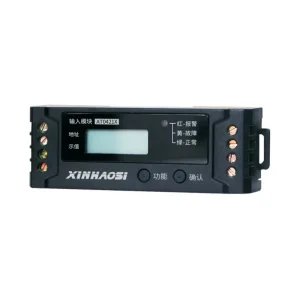
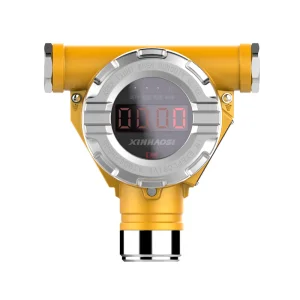
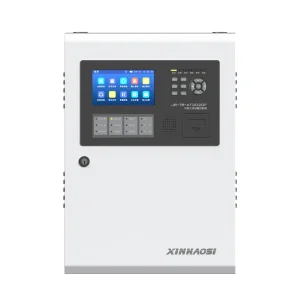
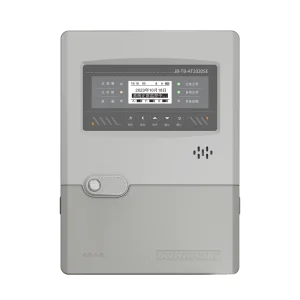
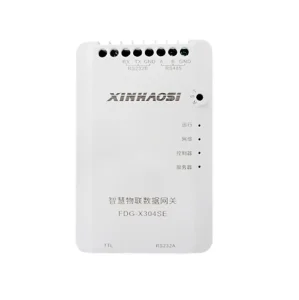
Explore our core selection of high-precision gas detector systems, industrial solenoid valves, and network control units engineered for modern hazard management.
Within industrial gas processing, chemical refining, and urban utility infrastructures, safety is not merely a operational metric—it is a foundation of business continuity. As safety standards align globally, EHS professionals and system integrators face increasing complexity. Custom sensor calibration, strict explosion-proof directives (ATEX, IECEx, SIL), and system communications present technical hurdles.
This white paper explores the critical components of selection, design verification, and partnership integration when working with an OEM Sensor Gas Detector Factory. Understanding sensor topologies, drift-prevention mechanics, and compliance frameworks helps global procurement teams select manufacturing partners capable of meeting current safety needs while preparing for future changes.
By prioritizing Information Gain through verified hardware data and field performance metrics, we detail the key evaluation standards for high-performance gas monitoring equipment.
Founded in 2003, Xinhaosi has become a recognized brand in the global gas safety industry. Over the past two decades, we have established a comprehensive production and service system. This integrates advanced R&D, automated manufacturing, global digital marketing, professional technician-led support, flexible OEM/ODM capabilities, and CNAS-Accredited laboratory calibration services.
Our product portfolio covers industrial and residential gas detection and alarm systems, industrial and household gas solenoid valves, and urban gas pipeline network monitoring systems. These products are designed to perform in challenging environments and meet strict safety standards. We produce and deliver tens of millions of units annually, serving industries such as oil & gas exploration, petrochemicals, urban gas distribution, automotive manufacturing, pharmaceuticals, new energy, metallurgy, and food & beverage processing.
Driven by our mission of "Making Gas Safety Accessible Everywhere," we focus on providing high-performance products and customized solutions. Each unit undergoes strict quality control testing, backed by our technical teams. This supports our commitment to safety in both industrial workplaces and residential communities globally.

Chengdu Factory & Office

Deyang Factory
Operating under strict ISO9001 standards, Xinhaosi products hold key industry certifications that guarantee performance and safety compliance.
Our core gas safety portfolio carries national compulsory Product Certifications, Explosion-Proof certificates, Fire Product certifications, CPA Measurement Instrument type approval, CE mark, and Safety Integrity Level (SIL) validation. This enables compliance and rapid installation across Europe, Asia, and the Americas.
Our in-house calibration lab is accredited by the China National Accreditation Service (CNAS), operating in compliance with ISO/IEC 17025. Recognized under the ILAC-MRA framework, our test reports are accepted globally by certification bodies and EHS regulatory agencies, simplifying regional import audits.
With over 50 patents and software copyrights, we lead innovation in gas safety. Our patented graphical gas monitoring software enables predictive diagnostics, reducing device failure rates by up to 30%. We also hold standard-drafting leadership for industrial gas solenoid valves.
Modern industrial safety relies on data integration. EHS procurement managers are moving away from simple stand-alone alarm sirens toward interconnected, intelligent monitoring networks. Understanding these trends helps procurement teams align their purchasing strategies with current market dynamics:
Traditional wired setups (4-20mA analog or RS485 Modbus serial) require significant cabling and labor. Modern installations favor low-power wireless protocols like LoRaWAN, NB-IoT, and Zigbee. These technologies enable rapid setup of wireless sensors in remote locations, such as pipeline networks and tank farms, without trenching or cable installation.
Sensor degradation over time remains a major challenge. Procurement teams look for detectors with advanced self-diagnostics. By monitoring sensor health, operating temperature, and drift metrics in real time, safety management platforms can predict sensor failures, reducing unscheduled downtime and maintenance costs.
Comprehensive safety requires integrated responses. Detection is only the first step. Automated gas solenoid shut-off valves must act immediately when a leak is confirmed. Buying integrated kits from a single source ensures compatibility and quick response times.
We provide tailored gas detection and monitoring solutions for a wide range of industrial applications, ensuring safety compliance across diverse sectors.
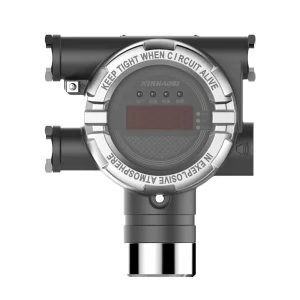
Refineries require rugged, flameproof monitoring systems. Our explosion-proof detectors (e.g., GTQ-XP4000) are designed to withstand corrosive environments, extreme temperatures, and mechanical shock while reliably monitoring combustible hydrocarbons and toxic hydrogen sulfide.
Underground municipal lines require low-power, telemetry-enabled pressure and gas level monitors. Our wireless pressure monitors and smart alarm systems integrate with cloud management systems to track pressure drops and leaks in real time, preventing major distribution failures.
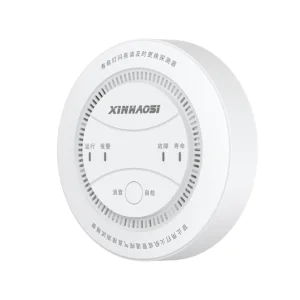
Residential buildings require compact, cost-effective combustible gas detectors (e.g., JT-AT2004 Series) that integrate with automated solenoid valves (e.g., XF3 Series) to shut off gas flow at the main intake if a leak is detected.
Our journey of innovation, expanding manufacturing capacity, and introducing key gas safety technologies over the years.
Established on April 17, 2003. We launched our first-generation gas leak alarms and fire protection products, establishing a base in the domestic safety sector.
Started production of specialized gas safety valves and expanded our OEM services. Relocated our corporate office to the Longtan Industrial Park to support growth.
Reached 10 million units in cumulative gas detector sales. Moved to our Chengdu factory facility and expanded our distribution and support network.
Developed and launched our in-house IoT gas safety monitoring platform. Recognized as a national High-Tech Enterprise and qualified as a supplier for tier-one gas providers.
Began construction of the Deyang manufacturing facility. Established our Petrochemical & International Business divisions, and recognized as a Sichuan Provincial Technology Center.
Completed and commissioned the Deyang smart factory. Launched wireless gas detection lines, urban pipeline monitoring products, and AI-enabled smart solenoid valves.
The future of gas safety is defined by intelligence, connectivity, and miniaturization. At Xinhaosi, our R&D roadmap focuses on:
Work with our engineers to design, test, and certify custom gas detection systems that fit your project requirements and local standards.
Find answers to common questions about industrial standards, sensor technologies, and custom OEM processes.
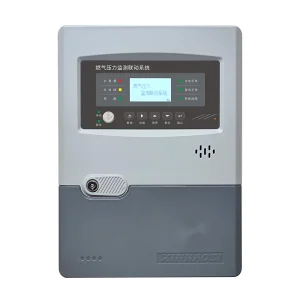
Complete your plant installation with safety shut-off systems, smart pressure monitors, and central command interfaces.