In the realm of home and industrial safety, leak sensors play a crucial role. These innovative devices detect water or gas leaks early, preventing extensive damage and costly repairs. As industry expert Dr. Lisa Tran states, “Effective leak detection saves both resources and peace of mind.” Her insight underscores the importance of reliable leak sensor technology.
Many worldwide buyers often look to China for high-quality leak sensors. The competition is fierce, with numerous manufacturers entering the market. Some sensors perform well, while others fall short of expectations. Choosing the right product can be daunting, especially with so many options available. Buyers must navigate through specifications and user reviews to make informed decisions.
Finding the perfect leak sensor requires careful consideration. Not every sensor will meet all needs. Buyers should evaluate factors like response time, installation ease, and maintenance. Even a top-rated sensor may not suit specific environments. The quest for the best leak sensor is both a challenge and an opportunity for growth.
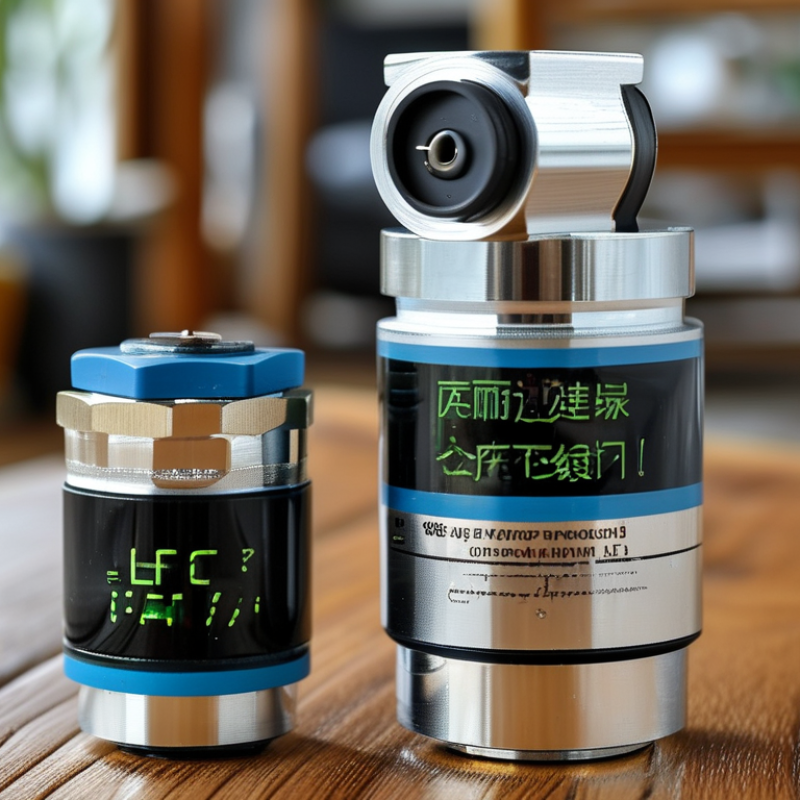
Overview of Leak Sensor Technology and Its Importance
Leak sensor technology plays a critical role in various applications. It detects harmful leaks, preventing damage and safeguarding safety. Understanding these systems is crucial for any buyer. Sensors utilize advanced methods to monitor leaks effectively. They work by sensing moisture or gas, triggering alerts for immediate action.
Tip: Look for sensors with wireless capabilities. These can provide remote monitoring, which enhances safety and convenience.
Leak sensors are essential in industries like water management and manufacturing. They help in minimizing costs associated with leaks. The technology varies significantly, with options suitable for different environments. Some sensors are designed for harsh conditions, while others are ideal for domestic use.
Tip: Consider the sensor's sensitivity. A more sensitive model may offer quicker detection but could also trigger false alarms. Balance is key.
Selecting the right leak sensor requires a solid understanding of your specific needs. Take time to research the various technologies available. Different models have unique features that suit specific applications. A good choice can save resources and prevent potential disasters.
Key Features to Consider When Choosing Leak Sensors
When selecting leak sensors, it's essential to understand key features that enhance their effectiveness. Sensitivity is at the top of the list. Sensors should detect even minimal leaks to prevent significant damage. A report by MarketsandMarkets suggests that the global demand for leak detection devices is projected to reach USD 1.9 billion by 2026, highlighting their critical role in various industries.
Another crucial aspect is response time. The faster a sensor detects a leak, the quicker actions can be taken. Some advanced sensors provide real-time notifications, which can save both time and resources. Additionally, durability matters. If a sensor is placed in harsh environments, it should withstand extreme temperatures or corrosive substances. This ensures long-term reliability and reduces maintenance costs.
Communication protocols are also vital. Many modern leak sensors offer wireless options, allowing easy integration into existing systems. This capability enhances data accessibility and monitoring. According to a study by ResearchAndMarkets, the IoT-based leak detection system market is projected to grow significantly due to increasing industrial automation. Ultimately, balancing these features according to specific needs will lead to more effective leak management strategies.
Top Leak Sensor Manufacturers in China
China has emerged as a leading player in manufacturing leak sensors, catering to a global market. Various manufacturers in China focus on producing high-quality, innovative products that meet diverse customer needs. Their expertise in this field is notable, as they employ advanced technologies to enhance sensor accuracy and reliability. Many companies prioritize quality control, ensuring that every unit complies with international safety standards.
The landscape is competitive, with manufacturers offering a range of sensors designed for different applications, such as water detection, gas leakage, and humidity control. Some brands focus on smart technology, integrating IoT features for remote monitoring. It's essential for buyers to assess the manufacturer's background and customer feedback. Engaging with suppliers can reveal inconsistencies in product offerings, and potential challenges may arise regarding shipping and customs regulations.
While the quality of leak sensors is generally high, not all manufacturers maintain the same standards. Some may lack adequate after-sales support, which leads to buyer frustration. Therefore, researching and connecting with trusted suppliers is crucial. Evaluating previous customer experiences can significantly influence purchasing decisions. It’s worth considering the balance between price and quality when selecting a partner in China’s vast market.
Comparative Analysis of Popular Leak Sensors Available
Leak sensors have gained immense popularity due to their ability to detect water leaks early. These devices are essential for both residential and commercial use. A comparative analysis of popular leak sensors reveals significant differences in features and performance.
Many leak sensors are equipped with advanced technology like Wi-Fi and Bluetooth connectivity. This allows users to monitor their homes remotely. Some models even send alerts directly to smartphones when a leak is detected. Not all sensors offer the same reliability. Factors like battery life, sensitivity, and build quality vary significantly across brands.
Tips for selecting the right leak sensor include checking user reviews and ratings. Look for models with a proven track record of reliability. Consider how easy the installation process is. Some devices may require professional installation, while others can easily be set up by anyone.
Investing in a quality leak sensor can save homeowners from costly repairs. It’s essential to choose a model suited to your specific needs. Functionality should match the environment where it will be used. Sometimes, higher prices don't guarantee better performance. It’s wise to evaluate the sensor's features before making a decision.
Top Leak Sensors from China for Worldwide Buyers Guide
| Model |
Detection Type |
Operating Range |
Sensitivity |
Power Supply |
Features |
| Model A |
Capacitive |
5m |
0.5 L |
Battery-operated |
Wi-Fi connectivity, Mobile app support |
| Model B |
Optical |
10m |
1 L |
AC powered |
LCD display, Alarm notification |
| Model C |
Conductive |
15m |
0.3 L |
Rechargeable |
Integrated buzzer, Temperature monitoring |
Global Market Trends for Leak Sensors and Future Outlook
The leak sensor market is experiencing significant shifts globally. According to a recent market analysis, the industry is projected to grow at a compound annual growth rate (CAGR) of 8% through 2028. This surge is primarily driven by increased awareness surrounding environmental safety and energy efficiency.
Emerging technologies play a crucial role in shaping the future of leak sensors. Advanced materials and IoT integration enhance sensor responsiveness and data accuracy. However, many manufacturers face challenges in meeting the high demand for reliable solutions. Resource limitations and varying quality standards often complicate production.
In addition, the market sees an influx of new players from China. These emerging companies aim to provide cost-effective solutions. Yet, there might be concerns regarding product durability and performance over time. Buyers must weigh these factors carefully while considering innovations and pricing pressures. The balance between affordability and reliability remains a focal point for decision-making in the leak sensor sector.
Conclusion
Leak sensors play a crucial role in a variety of applications, from industrial settings to residential areas, ensuring early detection of leaks that could lead to significant damage or safety hazards. Understanding the technology behind leak sensors, along with key features such as sensitivity, response time, and environmental durability, is essential for making an informed purchasing decision.
The article provides a comprehensive overview of top manufacturers in China, highlighting their innovative solutions and the competitive landscape. Additionally, a comparative analysis of popular models offers insights into their effectiveness and reliability. As the global market for leak sensors continues to evolve, recognizing current trends and future projections is vital for buyers seeking to leverage these technologies for better risk management and operational efficiency.

