
Gas line leaks can pose serious threats to safety. Efficient Gas Line Leak Detection is crucial for homeowners and businesses alike. Understanding the signs of a leak can prevent catastrophic incidents.
Many people underestimate the importance of timely detection. A small leak can lead to significant damage. Recognizing the smell of gas or hearing a hissing sound may indicate trouble. Ignoring these signs could have dire consequences.
Investing in professional gas detection services can save lives and property. Regular inspections are key. However, not everyone takes this risk seriously. The reality is that neglecting gas line safety can result in devastating outcomes. Awareness and proactive measures are essential for a safer environment.
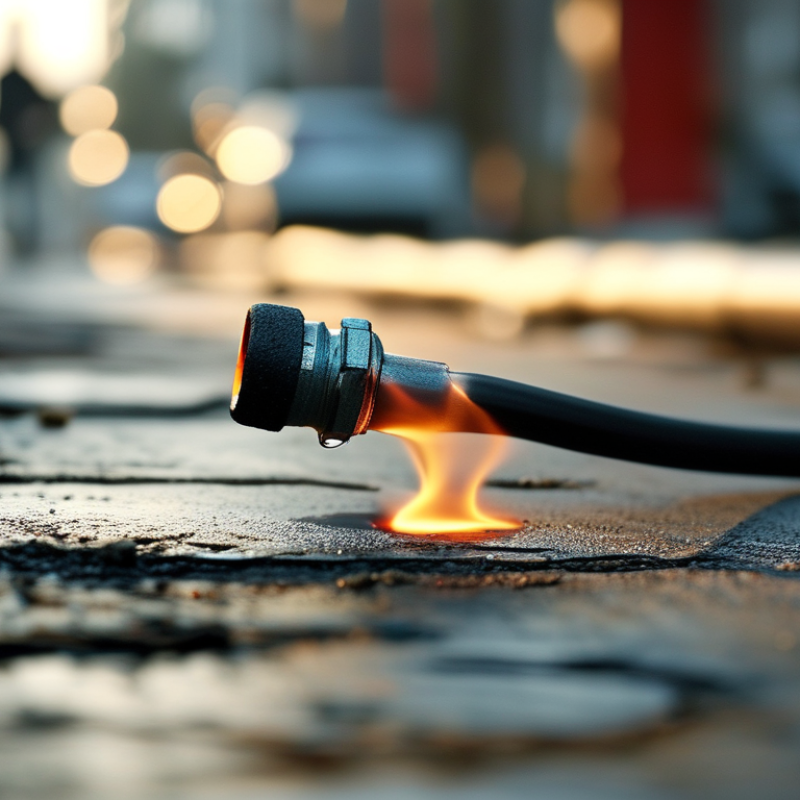
Gas line leaks are a serious concern for households. Understanding the causes and risks is essential for safety. Common causes include aging pipes, corrosion, and faulty connections. These issues can lead to dangerous situations if not detected early. For instance, even a small leak can result in health risks or property damage.
Being aware of the signs of a gas leak is crucial. A rotten egg smell often indicates natural gas presence. If you notice this scent, evacuate immediately and call for help. Physical symptoms like dizziness or headaches may also signal exposure. Regular inspections of gas lines can prevent accidents, ensuring that they function properly.
Monitoring your surroundings helps in leak detection. Check for unusual hissing sounds near the gas lines. Invest in gas detectors for early warnings. If you suspect a leak, act promptly. Don't ignore minor concerns; they can escalate quickly. Educating yourself about maintenance practices makes you more proactive in ensuring safety.
Gas line leaks can pose serious risks. Identifying the signs quickly is crucial for safety. One of the first indicators is a distinct smell. Many describe it as similar to rotten eggs. This odor can be faint or strong, depending on the leak's size. Be attentive; if you notice this scent indoors or out, investigate further.
Another sign of a potential gas leak is persistent hissing or whistling. This sound often indicates escaping gas. It can be alarming, especially if you are unsure of its source. Don't ignore unusual sounds; they could save lives. Additionally, watch for dead vegetation or wilting plants near gas lines. If you see an area of healthy plants suddenly turning brown, it might signal a leak underground.
Sometimes, people overlook bubbles in standing water. If you find bubbles forming in a puddle, there could be gas escaping nearby. Lastly, frequent headaches or dizziness among occupants is concerning. If multiple individuals experience discomfort, consider the air quality. All these signs demand immediate attention. Ignoring them may lead to serious consequences. Safety should always come first.
Detecting gas line leaks is crucial for safety. Begin with visual inspections. Look for unusual dead grass patches or damaged plants near the gas line. These can indicate a leak. Monitoring for bubbling in wet areas can also be helpful. According to the American Gas Association, over 100 million people rely on natural gas, making reliable detection essential.
Consider using advanced tools. Atomic absorption spectrometry can identify gas components precisely. For more accessible methods, ultrasonic leak detectors can capture high-frequency sounds, signaling a leak. A study from the National Institute of Standards and Technology asserts that using these tools increases detection accuracy by 40%. Regular training for technicians on these methods is vital, as human error remains a potential risk.
Some methods may need improvement. For example, sniffer devices can miss small leaks if not calibrated correctly. Ensuring that equipment remains up to date and effective requires diligence. Regular maintenance checks are necessary for all detection tools. Investing in proper training and equipment can save lives and prevent property damage. Understanding the limitations of each method can lead to better safety practices in the field.
When you suspect a gas line leak, keeping safety at the forefront is critical. The first step is to evacuate everyone from the area. Ensure pets are included. Gas can be deadly; it's better to be safe than sorry. If you notice a strong gas smell, leave the space immediately. Open windows and doors only if it’s safe to do so. Do not use any electrical devices as they can create sparks.
After evacuating, contact your gas provider without delay. Never try to address the leak yourself. This could lead to dangerous outcomes. While waiting for professional help, stay clear of the suspected leak area. Inform those outside the home about the potential danger.
It’s vital to educate yourself on gas line safety. Knowing the warning signs can make a difference. A hissing sound near pipes or dead vegetation near gas lines are alerts. Regular maintenance checks are important, yet many overlook them. Reflection on safety measures ensures everyone recognizes the seriousness of gas leak situations. Always prioritize communication and awareness within households.
Confirming a gas line leak can be alarming. Immediate actions are crucial for safety. First, evacuate everyone from the vicinity. A report from the U.S. Department of Energy indicates that around 70% of gas line incidents occur indoors. Gas can build up quickly in enclosed spaces, increasing the risk of explosion. Stay at a safe distance while ensuring others are away from the area.
Next, contact your local gas company or emergency services. It’s vital to use a phone outside the affected area. Avoid all flames, sparks, or electrical devices. Industry standards recommend waiting for professionals to assess the situation. The American Gas Association states that proper response can significantly reduce hazards. Until help arrives, an unoccupied zone of at least 300 feet is recommended.
Bear in mind that some signs may linger even after the immediate danger passes. Faint odors might persist due to residual gas. Continuous monitoring is essential. Regular maintenance and inspections could prevent future leaks. Home safety experts advocate for periodic checks, suggesting that 60% of households have unaddressed gas line issues. Taking these precautions can create a safer environment for everyone.
: Aging pipes, corrosion, and faulty connections are typical causes.
A rotten egg smell and unusual hissing sounds are key indicators.
Evacuate immediately and call for help from a safe location.
Yes, dizziness and headaches may occur due to gas exposure.
Inspections can prevent accidents and ensure safe functioning.
Dead vegetation or bubbles in standing water can suggest a leak.
Evacuate the area and contact local gas services for assistance.
No, avoid flames, sparks, and electrical devices until professionals arrive.
Maintain a distance of at least 300 feet for safety.
Yes, faint odors may remain, so continuous monitoring is necessary.
Detecting gas line leaks is crucial for ensuring safety in residential and commercial settings. Gas line leaks can arise from various causes, such as corrosion, poor installations, or environmental factors, leading to serious risks like explosions or health hazards. To effectively identify these leaks, individuals should be aware of common signs, such as the smell of gas, hissing sounds, or dead vegetation near pipelines.
For reliable Gas Line Leak Detection, several tools and techniques can be employed, including gas detectors, soap solutions, and pressure tests. When a leak is suspected, it is vital to follow safety precautions, such as evacuating the area and avoiding ignition sources. If a leak is confirmed, immediate steps must be taken, such as contacting professionals for repair and ensuring the area is safe. By understanding these aspects of gas line leak detection, individuals can protect themselves and their property from potential dangers.
