
In many industries, detecting gas leaks is crucial for safety and efficiency. A reliable Gas Sniffer can make all the difference. According to Dr. Emily Rogers, a leading expert in gas detection technology, “The right Gas Sniffer not only enhances safety but also optimizes operational efficiency.” This statement underscores the importance of selecting the best tools for precise detection.
Gas Sniffers vary widely in technology and application. In industrial environments, different gases demand specific detection methods. Some devices excel at finding methane, while others are better suited for detecting volatile organic compounds. Users must understand their specific needs to choose effectively. The reliability of measurements can impact everything from regulatory compliance to workplace safety.
Choosing a Gas Sniffer requires thoughtful consideration. Many devices may not deliver accurate results in challenging environments. Users often overlook calibration and maintenance, leading to unreliable readings. It's vital to engage with quality brands that provide detailed instructions and support. The risks of improper detection are significant, affecting both safety and costs in the long run. Awareness of these nuances will better guide users in their selection process.
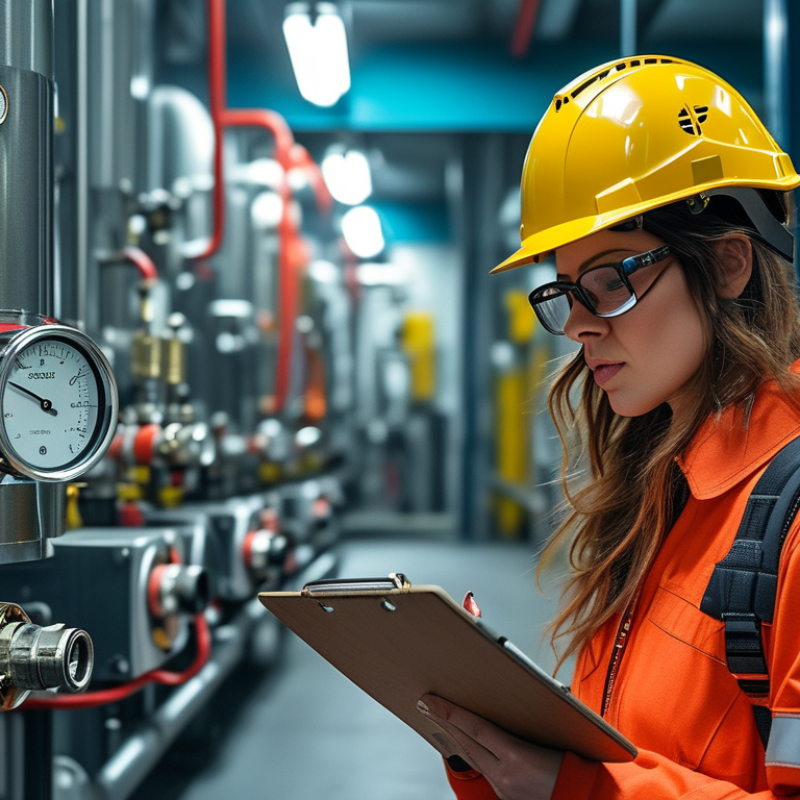
Gas sniffers are essential tools in various industrial applications. They help detect hazardous gases quickly, ensuring workplace safety. By identifying gas leaks early, these devices prevent accidents and protect workers’ health. Industries like oil and gas, chemical processing, and mining greatly rely on accurate detection to maintain safe environments.
Understanding how gas sniffers work is crucial. These devices use sensors to identify the presence of specific gases. They can detect even small concentrations, providing real-time data. This allows for quick responses to potential hazards. Reliable gas sniffers are calibrated and maintained regularly, which is vital for accurate readings. However, not all devices are equally effective. Operators must choose the right tool based on their specific needs.
Training staff on proper usage is another important aspect. Misunderstandings can lead to incorrect readings, posing risks. Practical experience with gas sniffers enhances skills. Regular safety drills can also reinforce proper response techniques. In an industry where safety is non-negotiable, investing time in training pays off. Safety is a continuous journey, and understanding the tools at your disposal is key.
When selecting a gas sniffer for your industry, look for essential features that ensure accurate detection. Sensitivity is crucial; it determines how well the device can identify low concentrations of gases. A sniffer should be able to detect multiple types of gases. This versatility can be a game-changer in various situations. Make sure the device offers real-time monitoring for immediate feedback. Delays in detection can lead to dangerous situations.
Consider the user interface as well. A clear, intuitive display allows quick reading of gas levels. Some devices include alarms that alert users to unsafe conditions. Those safety features can be vital in high-risk settings. Battery life is another important factor. Equipment that fails due to short battery life is not reliable.
Calibration capabilities should not be overlooked. Regular calibration ensures the accuracy of readings over time. Devices that are easy to calibrate can save both time and effort. Finally, consider the weight and portability of the sniffer. A lightweight model is easier to carry to different locations. Keep these details in mind when searching for a reliable gas detection solution.
| Feature | Importance | Description |
|---|---|---|
| Sensitivity Level | High | The ability to detect very low concentrations of gas to ensure safety. |
| Calibration Frequency | Medium | How often the device needs to be calibrated for accurate readings. |
| Response Time | High | The time taken for the device to respond to a gas leak. |
| Battery Life | Medium | Duration the device can operate on a single charge. |
| Portability | High | Ease of carrying and using in different locations. |
| Display Type | Medium | Quality of the display, including visibility under various conditions. |
| Durability | High | Resistance to environmental factors like water and dust. |
| Multi-Gas Detection | High | Ability to detect multiple types of gases for versatile usage. |
Gas sniffers play a vital role in various industries. Accurate detection of gases can prevent workplace accidents and ensure safety regulations are met. Recent industry reports indicate that nearly 25% of workplace incidents involve gas leaks. Such alarming statistics highlight the necessity for reliable gas detection tools.
When evaluating gas sniffer models, consider key features like sensitivity, response time, and battery life. Different industries may require specific functionalities. For instance, some models detect multiple gas types, while others focus on one. The calibration process is essential, with regular checks ensuring the sensors maintain accuracy. Even slight deviations can have significant consequences in safety-sensitive environments.
Regular maintenance is crucial for optimal performance. Inspect sensors routinely and replace batteries as needed. Different gases may interfere with readings, so always understand the environment before choosing a detector. Training employees on proper usage increases accuracy and effectiveness in detecting leaks. It is not just about owning a gas sniffer, but knowing how to use it effectively. Remember, clarity in detection can save lives.
Gas sniffers are essential tools for safety in various industries. To ensure optimal performance, proper use and maintenance are crucial. Regular calibration enhances accuracy. An uncalibrated device may lead to false readings or missed leaks. Keep the device in a stable, controlled environment to improve its lifespan and reliability.
Frequent training for staff on how to operate gas sniffers effectively is vital. Misuse can lead to dangerous situations. Regularly inspect the device for damage. Any wear can compromise its functionality. Additionally, always replace batteries and maintain a routine check for software updates.
Consider creating a checklist for daily, weekly, and monthly maintenance tasks. This can promote accountability and consistency in usage. Avoid using the sniffer in extreme temperatures. Excessive heat or cold can affect its performance. Observing these practices ensures a high level of safety in your working environment.
Gas detection is a crucial component of workplace safety. Understanding safety regulations can significantly reduce risks. According to the National Fire Protection Association (NFPA), nearly 50% of workplace incidents involve hazardous gas exposure. Regular training sessions can enhance workers' awareness and compliance with these safety standards.
Implementing best practices for gas detection includes strategic placement of sensors. Studies show that proper positioning can improve detection accuracy by up to 30%. Consistent maintenance of gas detectors also plays a pivotal role. A 2019 report indicated that malfunctioning sensors contributed to 25% of all gas-related accidents. This highlights the need for a systematic approach to inspection and calibration.
Moreover, organizations should foster a culture of safety that encourages reporting near misses. An alarming percentage of workers do not report gas leaks due to fear of reprimands. This could lead to greater risks. Regularly updating emergency response plans is essential as well. Outdated procedures may create confusion and hinder timely action in emergencies.
: Gas sniffers detect hazardous gases to ensure workplace safety. They help prevent accidents by identifying leaks early.
They use sensors to detect specific gases. These sensors can identify even small concentrations and provide real-time data.
Proper training helps prevent misunderstandings that can lead to incorrect readings. It enhances safety and response techniques.
Key features include sensitivity, response time, and battery life. The choice depends on specific industry needs.
Regular maintenance is crucial. Inspect sensors and replace batteries as necessary to ensure accurate readings.
Different gases may interfere with readings. Understanding the environment is important before selecting a detector.
Yes, some models can detect multiple gases, while others are focused on one type. Choose based on your requirements.
Regular calibration checks are vital. Even slight deviations can threaten safety in sensitive environments.
Safety drills reinforce proper response techniques. They help ensure staff are prepared for potential hazards.
No, knowing how to use it effectively is crucial. Clarity in detection can ultimately save lives.
Gas sniffers are essential tools in various industries, playing a crucial role in ensuring safety by detecting hazardous gases. Their importance lies in their ability to provide early warnings of potential leaks, thus preventing accidents and enhancing workplace safety. When selecting an accurate gas sniffer, it is vital to consider key features such as sensitivity, response time, calibration options, and ease of use.
Moreover, proper use and maintenance of gas sniffers are critical for optimal performance. Regular calibration and adherence to safety regulations and best practices for gas detection can significantly reduce risks associated with gas exposure. A comprehensive understanding of these aspects will help industries choose the best gas sniffer tailored to their specific needs, ultimately fostering a safer working environment.
