
In today's world, home safety is paramount. One crucial tool in ensuring that safety is a reputable Carbon Monoxide Gas Detector. Dr. Emily Stanton, a leading expert in indoor air quality, emphasizes the urgency of this device. She states, "Installing a Carbon Monoxide Gas Detector can save lives, especially in enclosed spaces."
Carbon monoxide is a silent threat. It is colorless and odorless, making it particularly dangerous. Many homes are at risk due to faulty heating systems, blocked chimneys, or even everyday appliances. A reliable Carbon Monoxide Gas Detector provides an essential layer of protection, alerting families to potential danger. Choosing the right detector is critical, as not all options offer the same level of safety or reliability.
Think about the proactive steps you can take for your family. Investing in a high-quality Carbon Monoxide Gas Detector is not just a choice; it's a commitment to safety. This small device could be the difference between life and tragedy. Always remember, safety starts with awareness and preparation. Reflections on past incidents remind us of the importance of this vigilance.
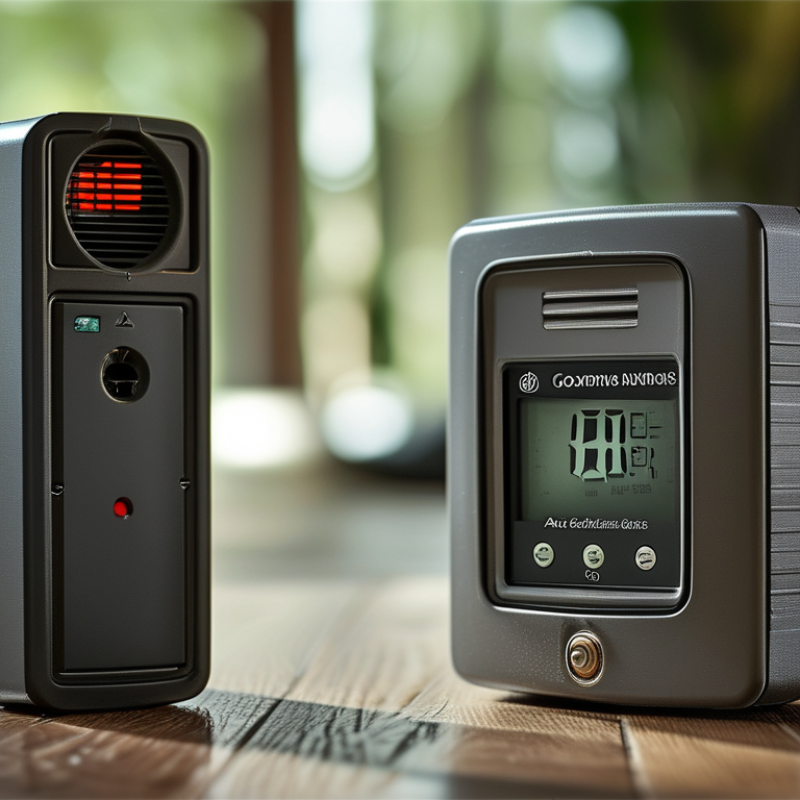
Carbon monoxide (CO) is a colorless, odorless gas. It’s often called the "silent killer." According to the Centers for Disease Control and Prevention (CDC), over 430 people die each year in the U.S. from unintentional CO poisoning. Residential areas are particularly vulnerable, especially in winter months when heating systems are in use.
Misuse of fuel-burning appliances is a major concern. Open flames and poorly ventilated spaces can lead to dangerous CO levels. Homes with attached garages, gas stoves, or fireplaces are at a higher risk. In fact, the National Fire Protection Association (NFPA) notes that these appliances contribute to the majority of CO poisoning cases. Regular maintenance can reduce risks significantly.
Tips for Home Safety:
Regularly test your CO detectors and replace batteries. Install alarms on every floor, especially near sleeping areas. Recognize early symptoms of CO poisoning: headache, dizziness, or confusion. Efficient ventilation is crucial; ensure exhaust systems are in place and functional. Never ignore alarms; they are designed to save lives.
This is a serious yet often overlooked risk. Many families may not even realize the signs of danger. Awareness and action are key to ensuring safety in your home environment. Taking proactive steps can truly make a life-saving difference.
Carbon monoxide (CO) detectors are essential for home safety. CO is a colorless, odorless gas that can be deadly. According to the Centers for Disease Control and Prevention (CDC), more than 400 people die each year from unintentional CO poisoning in the U.S. The danger often lies in its silent presence. Without a reliable detector, families may be unaware of rising CO levels until it's too late.
Homes with fuel-burning appliances are at higher risk. The National Fire Protection Association (NFPA) reports that one in four U.S. households has a gas stove, a common source of CO. These devices can malfunction, releasing harmful gas into the home. A CO detector can alert residents, prompting swift action. Statistics show that having a CO detector can cut the risk of fatal outcomes significantly.
Adopting safety measures is critical. Regularly checking and replacing batteries in CO detectors ensures they function properly. However, many overlook this essential task. Over time, some detectors may fail to alert users. This lapse can lead to tragic consequences. The consequences of neglecting CO safety are severe. Awareness and action can protect lives.
| Feature | Description | Importance |
|---|---|---|
| Digital Display | Shows real-time carbon monoxide levels. | Helps users understand current CO levels and the urgency of response. |
| Battery Backup | Ensures functionality during power outages. | Provides safety even when electricity is unavailable. |
| Audible Alarm | Loud alarm when dangerous CO levels are detected. | Alerts occupants to evacuate and seek fresh air immediately. |
| Test/Reset Button | Allows users to easily test and reset the unit. | Ensures the detector is functioning properly and maintains usability. |
| Low Battery Indicator | Notifies when batteries need replacement. | Ensures continuous operation and alerts for maintenance. |
| Location-Based Alerts | Identifies which detector is triggered in multiple unit setups. | Improves response time by indicating the exact location of danger. |
When selecting a carbon monoxide (CO) detector for home safety, several key features warrant consideration. The National Fire Protection Association reports that more than 50% of CO-related fatalities occur in residential settings. Therefore, it's essential to choose a detector that offers reliable performance and user-friendly features.
Look for detectors with digital displays. These displays can show CO levels, enabling quick assessment of the situation. Many models also include an audible alarm, which activates at dangerous CO levels. The U.S. Consumer Product Safety Commission emphasizes the importance of alarms that sound at 70 dB or higher. This level is loud enough to wake most people from sleep.
Another important aspect is the sensor type. There are non-dispersive infrared sensors and electrochemical sensors. Both provide accurate readings, but electrochemical sensors often have longer lifespans. Additionally, consider the detector's power source. Battery-operated models offer flexibility, while hardwired units ensure continuous operation, eliminating concerns about battery failure. Regular maintenance is vital; testing units monthly and replacing them every five to seven years is recommended.
When it comes to home safety, a reliable carbon monoxide gas detector is essential. According to the National Fire Protection Association (NFPA), carbon monoxide alarms reduce the risk of CO poisoning. In fact, they alert families to dangerous levels of this odorless gas. A study from the U.S. Consumer Product Safety Commission notes that over 400 people die from unintentional carbon monoxide poisoning each year. Thus, choosing the right detector is critical.
Top recommended carbon monoxide detectors feature advanced sensing technology. Look for models that offer both audible alarms and visual alerts. Dual-sensor detectors that combine electrochemical sensors with metal-oxide sensors can enhance detection accuracy. Opt for units with clear LCD displays showing CO levels. Regularly check your detectors; they should be tested at least once a month.
Tips for safe installation include placing detectors near sleeping areas. According to the NFPA, installing them on every level of the home is advisable. Remember, CO detectors have a lifespan of about 5 to 7 years. Keep an eye on the expiration date to ensure optimal performance. Reflect on your current setup—are your detectors accessible? Regular maintenance will help safeguard your family against this silent threat.
Installing and maintaining a carbon monoxide (CO) detector is crucial for home safety. Choose a location that is near sleeping areas and away from vents. Mount it on a wall or place it on a flat surface. Ensure the detector is at least 15 feet away from any fuel-burning appliances. This helps prevent false alarms while ensuring timely alerts.
Regular maintenance is essential for optimal performance. Test your CO detector monthly by pressing the test button. Replace the batteries at least once a year. Inspect the device for dust or debris; clean it with a vacuum or a damp cloth. Remember, CO detectors have a lifespan of 5 to 7 years, depending on the model. Mark the installation date in your calendar to remind yourself when it’s time to replace it.
Even with proper installation, human error can occur. Sometimes, a misplaced or neglected detector leads to false security. Be mindful of this. Always have a backup plan, such as knowing the symptoms of CO poisoning. Awareness can save lives. A properly maintained and wisely installed CO detector is your best defense against this silent threat.
This bar chart displays the safety ratings of various types of carbon monoxide detectors. The ratings are based on effectiveness and user reviews.
: Carbon monoxide detectors are essential as CO is a colorless, odorless gas that can be deadly.
Batteries should be replaced at least once a year to ensure proper functionality.
Install it near sleeping areas, but at least 15 feet away from fuel-burning appliances.
Look for digital displays, audible alarms, and reliable sensor types for accurate readings.
Test your detector monthly to ensure it is functioning properly.
Evacuate immediately and seek fresh air. Call emergency services for assistance.
Yes, detectors generally have a lifespan of 5 to 7 years; replace them when due.
No, regular maintenance and awareness of CO poisoning symptoms are crucial for safety.
Dust or debris on the detector or improper placement can lead to false alarms.
Clean it regularly and mark the installation date to remember when to replace it.
Carbon Monoxide Gas Detectors are essential safety devices in residential areas, protecting families from the silent and deadly threat of carbon monoxide. Understanding the dangers of this colorless, odorless gas is the first step in ensuring home safety. The importance of a reliable CO detector cannot be overstated, as it provides early warning and helps prevent potential poisoning scenarios.
When selecting a quality Carbon Monoxide Gas Detector, homeowners should consider key features such as digital displays, voice alerts, and battery backup. Recommended models typically combine these features for maximum effectiveness. Furthermore, proper installation and regular maintenance are crucial for ensuring that CO detectors function effectively. Homeowners are advised to place detectors near sleeping areas and routinely check the batteries to maintain optimal safety standards.